How Pressure Regulators Stabilize Camping Stove Performance
By Ingrid Sørensen • 19th Mar
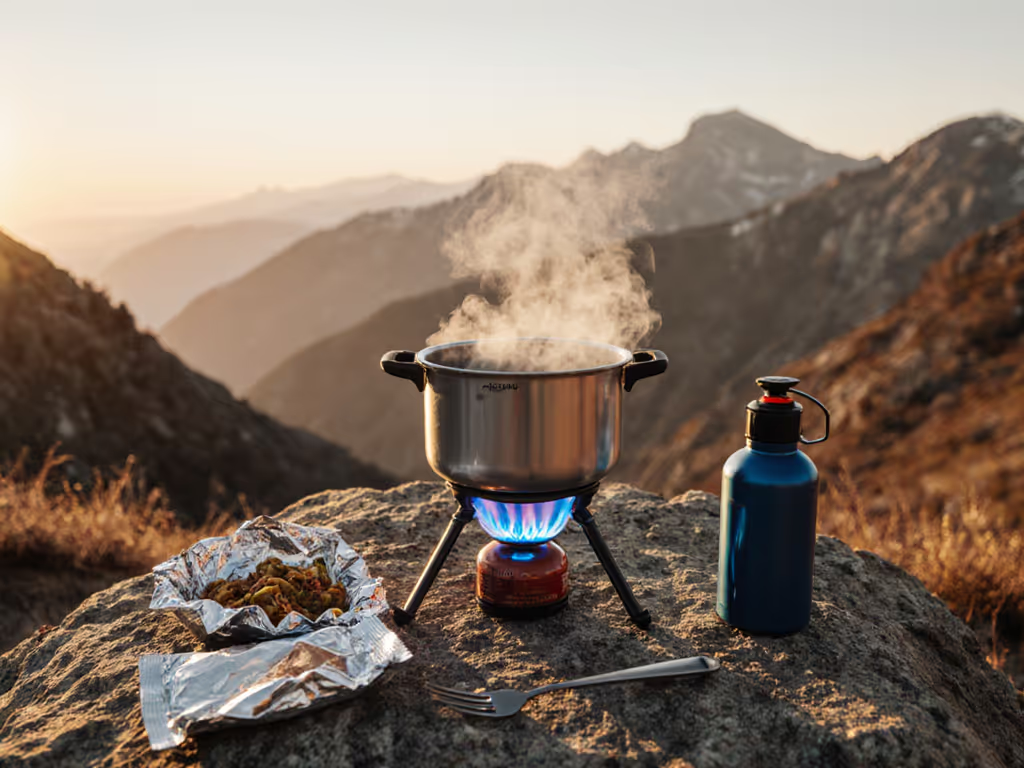
When you're planning a multi-day trip for a mixed group (kids, dietary needs, unpredictable weather), the gap between a reliable pressure regulator setup and an unstable one affects everything: whether breakfast flips golden, whether dinner scorches, whether everyone eats warm and together. The camping cooking stove isn't just gear; it's your kitchen system, and pressure regulation is the invisible hand that keeps it steady.
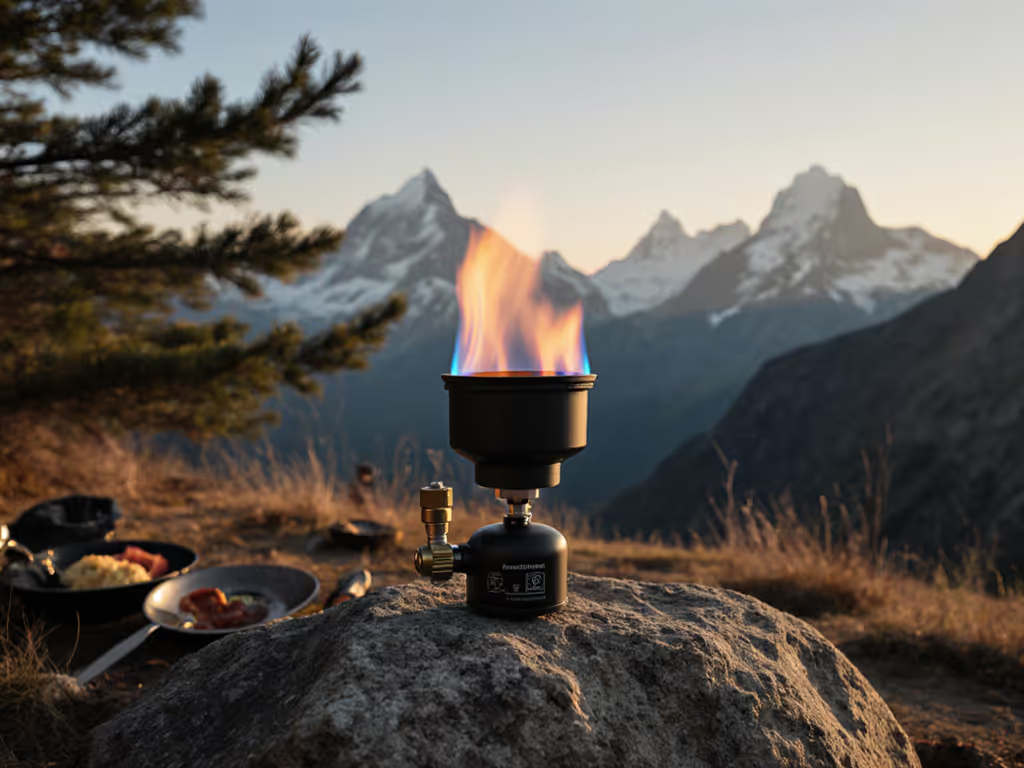
A pressure regulator does one essential job: it acts like a traffic cop for gas, controlling the flow of propane from your fuel canister to your burner at a safe, consistent rate[1]. Without one, the pressurized gas would flow unpredictably (fast when the canister is new and cool, weak when it's depleted or cold). Understanding how regulators work, and why they matter for your specific conditions, unlocks stable simmer, predictable flame, and meals that come out on time and properly cooked.
Why Pressure Matters: The Physics of Stable Flame
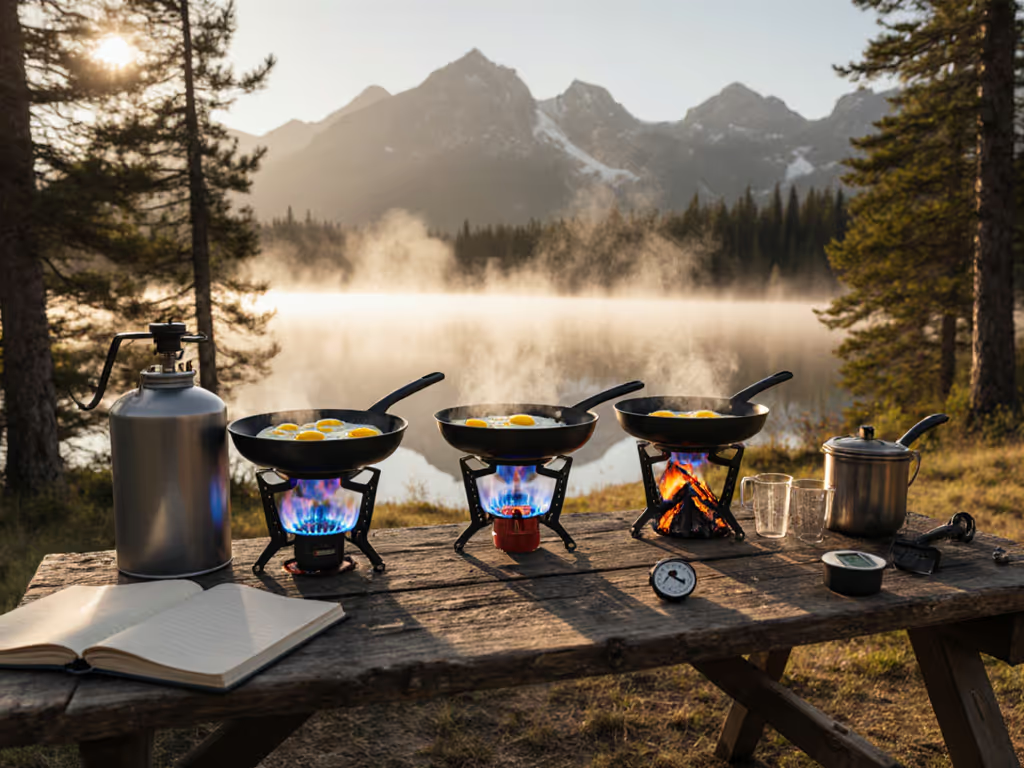
Propane and butane are stored as liquids under high pressure inside canisters. When you open the valve, that pressurized gas wants to escape (fast). Without a regulator, the pressure pushing the fuel through your stove's jets can vary wildly: a fresh canister might push 45 psi, but by day five in cold weather, pressure drops to 15 psi or lower[3]. That swing directly changes your flame height and heat output.
Here's why that matters on the trail: pressure regulation principles mean the regulator reduces that chaotic pressure range to a stable output (typically around 15 psi for camping stoves)[3]. Think of it like a coffee filter: consistent flow, no mess. With stable pressure behind the jet, your simmer becomes controllable. Simmer is a skill and a feature, and a regulator gives you the feature.
Without a regulator, you'd run your unregulated stove over a massive pressure range, making it nearly impossible to dial in precise heat. A low-flame setting on a fresh canister might roar; the same setting on day five might barely boil. Regulated stoves show much better flame control across that range[3].
Types of Regulators: Choosing What Your Kitchen Needs
Not all regulators are equal. Most camping stoves use spring-loaded pressure regulators, which are simple, reliable, and ideal for portable propane tanks and disposable canisters[1]. They use a spring mechanism to hold steady pressure, requiring no pilot gas or external power (perfect for field use).
Other types (dome-loaded and back-pressure regulators) are designed for industrial or specialized systems and add unnecessary complexity for camp cooking[1]. Some stoves, particularly lightweight backpacking models, skip the regulator entirely and rely on needle-valve control, which is lighter but less stable under temperature swings[3]. For car camping, family trips, and group feeding, a spring-loaded regulator built into your stove or attached to your fuel line is your best foundation.
High-Pressure vs. Low-Pressure: Matching Your Setup
This is where propane regulator function gets specific to your trip profile.
High-pressure regulators deliver gas at a faster rate, suitable for large burners, multiple cooking surfaces, or heavy-duty setups like car-camp grills and remote-canister stoves[1]. If you're cooking for a group on a dual-burner system or need fast boils for large pots, high-pressure output gives you more horsepower.
Low-pressure regulators provide gentler gas flow, ideal for precise cooking, small burners, and fuel efficiency[1]. For backpacking or when you're simmering soups and sauces and want fine control, low pressure prevents runaway flames.
Your stove's design dictates which one you need, so check the manufacturer specs. Most portable camping stoves are tuned for around 15 psi, which is a middle ground between responsiveness and control[3].
How Regulators Keep You Safe
Beyond performance, regulators are safety devices. Fire Maple stoves, for example, include a mechanical safety feature: if canister pressure spikes suddenly (say, the canister is placed in direct sunlight or near a heat source), the regulator automatically closes, stopping gas flow[2]. This prevents over-pressurization and potential seal failure.
This is critical in canister pressure management: a canister left in the sun can heat dramatically, and that pressure increase happens fast. A regulator catches it automatically, protecting your stove and your camp setup from flare-ups or leaks. Plain-language safety reminder: never leave a pressurized fuel canister in direct sunlight or near any heat source, even briefly. Review our camp stove safety guide for essential carbon monoxide, ventilation, and placement do's and don'ts.
Fuel Vaporization Physics: Why Regulators Shine in Cold
Propane and butane have different boiling points (the temperature at which they vaporize and become usable as fuel). See our propane vs butane vs white gas performance comparison for real cold-weather data and recommendations. Propane boils at -42°F; butane at 31°F. On a cold mountain night or winter trip, butane canisters struggle to vaporize and deliver fuel, while propane still does[4]. A regulator's steady output pressure can help propane vaporize reliably even in cold, whereas unregulated butane canister stoves may fail entirely.
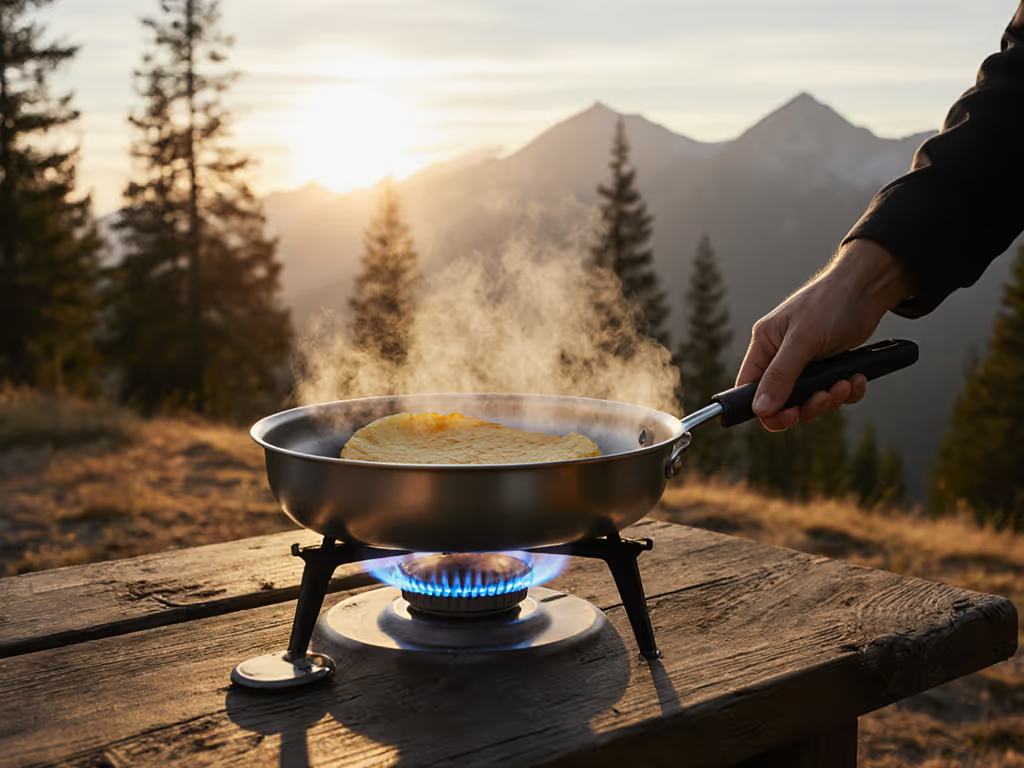
This is where fuel vaporization physics connects directly to your meal plan. If you're camping in autumn or winter and you've promised warm pancakes and a mild curry to your group (kids, a lactose-free friend, tired bodies), a regulated stove with a stable windscreen keeps the griddle even and the pot gentle, so breakfast flips golden and dinner doesn't scorch. Comfort and safety are performance.
Practical Maintenance and Selection
A well-maintained regulator lasts for years. Before any trip, inspect your regulator and fuel line connections for cracks, leaks, or wear[1]. A flickering flame often signals loose connections or debris in the regulator (tighten fittings and clear any dirt before you leave home). If your flame surges or sputters, follow our canister stove regulator clog fix step-by-step.
When choosing a regulator-equipped stove, match it to your route and season:
- Summer car camping or alpine climbing (3-7 days, 40-70°F nights): A standard spring-loaded regulator with propane is stable and efficient.
- Cold-season trips (below 40°F nights): Propane regulators remain your best bet; avoid butane unless you're also using a canister heater wrap.
- High altitude (above 8,000 feet): Pressure regulators help, but thin air reduces oxygen, so efficiency gains are modest. For the why behind thin-air performance, see our high-altitude stove physics explainer. Fuel planning must account for the actual boiling point of water at your elevation and the slower cook times that follow.
- Group cooking (4+ people, multiple pots): A higher-output regulator or dual-burner system with stable, wide pot supports prevents tipping and speeds meal prep.
Your Actionable Next Step
Before your next trip, do three things:
- Know your stove's specs. Check the manufacturer's documentation for the exact regulator type, pressure output, and fuel type. Write it down (seriously).
- Inspect and test. Light your stove at home on high and low flame; listen for smooth, consistent sound. Flame should stay steady, not fluttering or roaring.
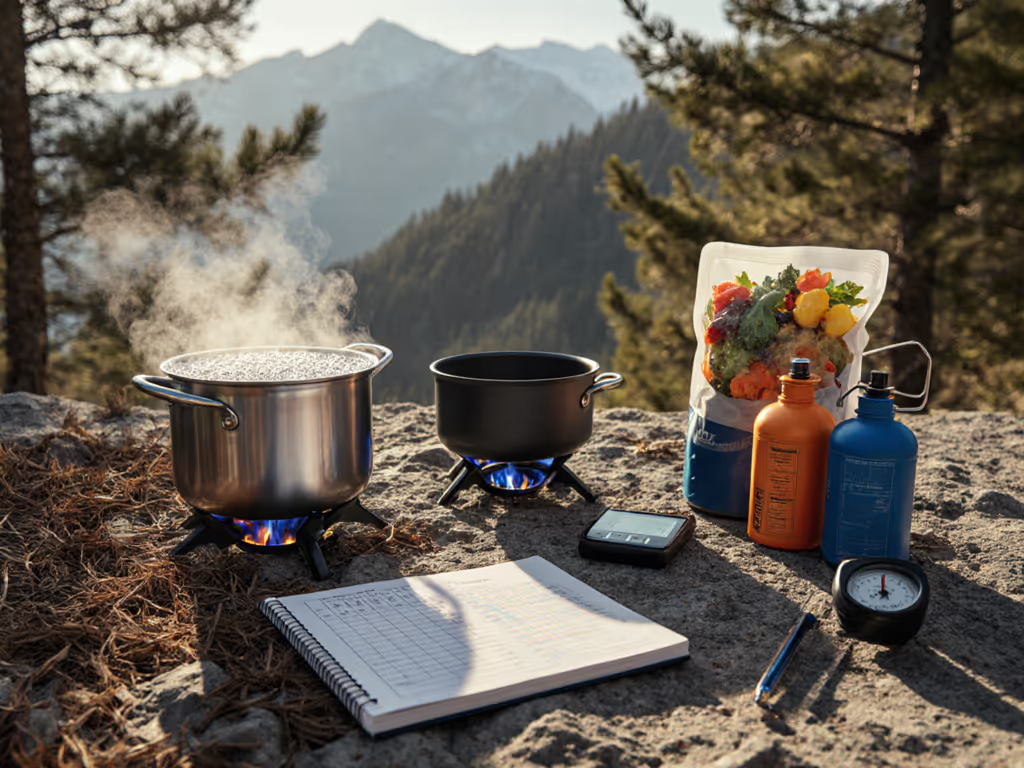
- Plan fuel by route and season. Use your trip's elevation, average low temperature, and meal count to estimate fuel needs, then add 20% as a safety margin. A small canister left over is far better than running dry on night four.
A regulated stove is the foundation of a kitchen system that works in real weather. With stable pressure, you keep simmer under control, you keep your group fed and warm, and you keep the camp calm. That's family-proof kitchens: stable simmer, quick boils, zero drama.
Related Articles