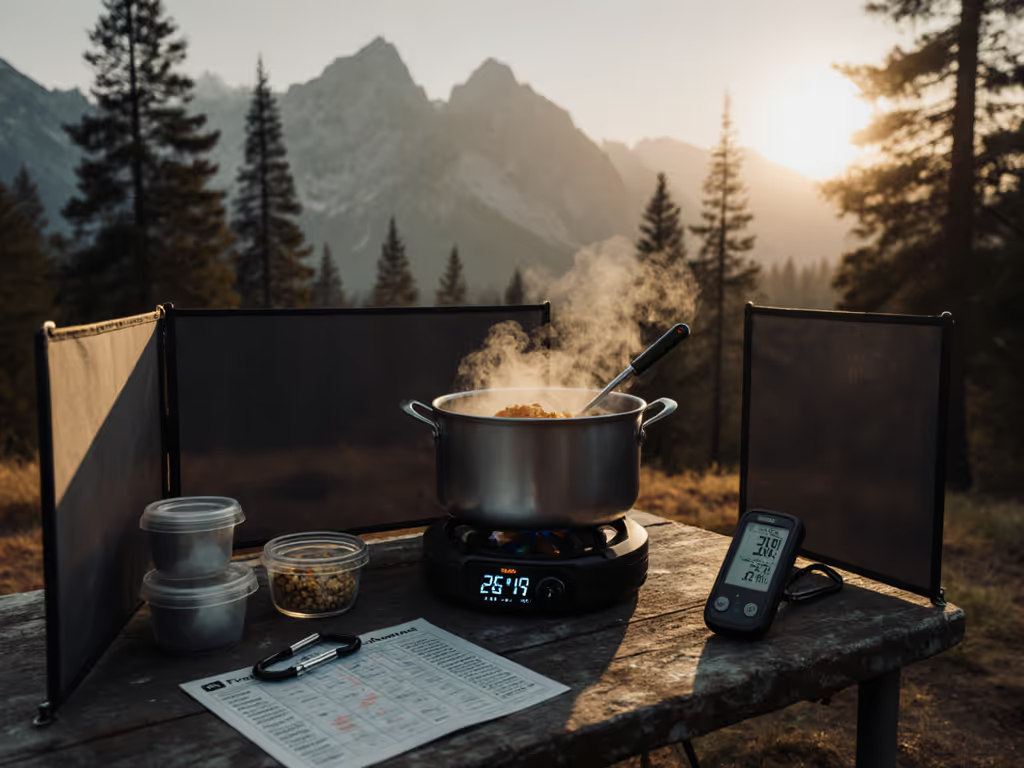
Solar Cooking Stove Boosts Fuel Efficiency in Hybrid Camping Systems
By Tenzin Dorje • 12th Jan
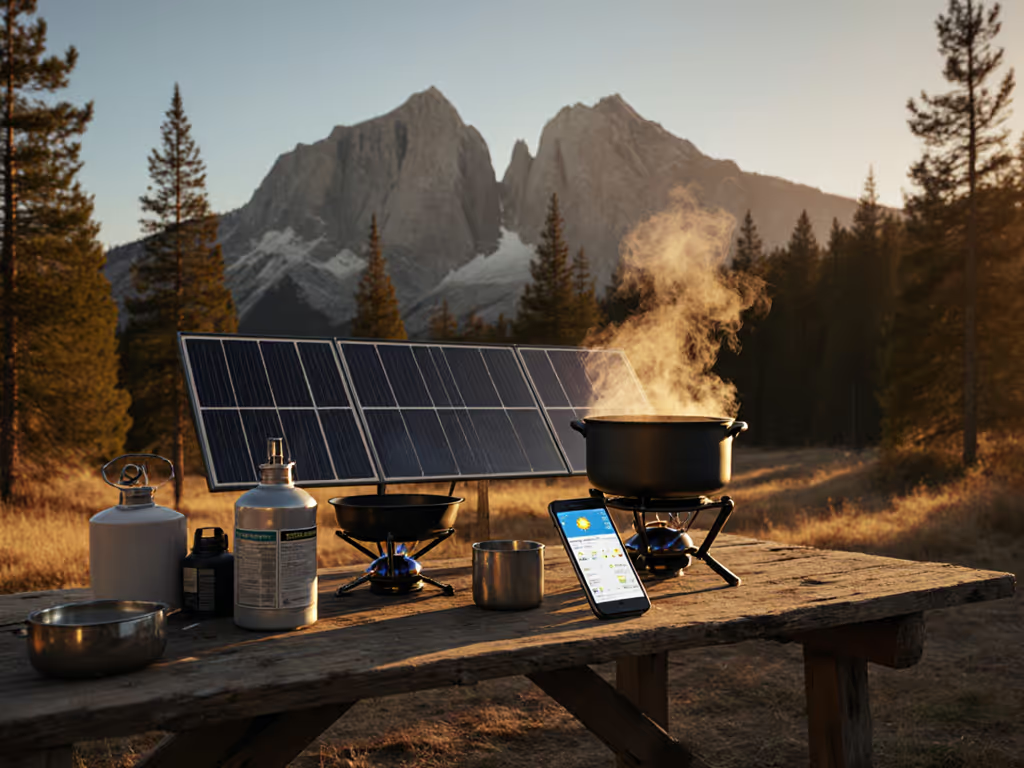
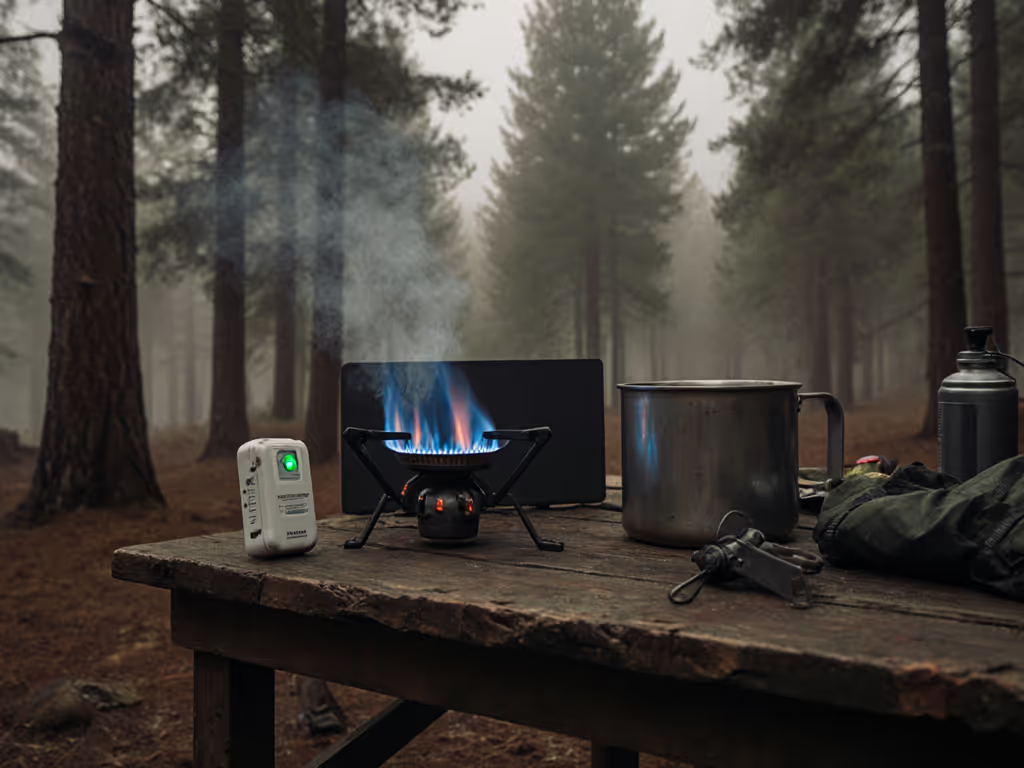
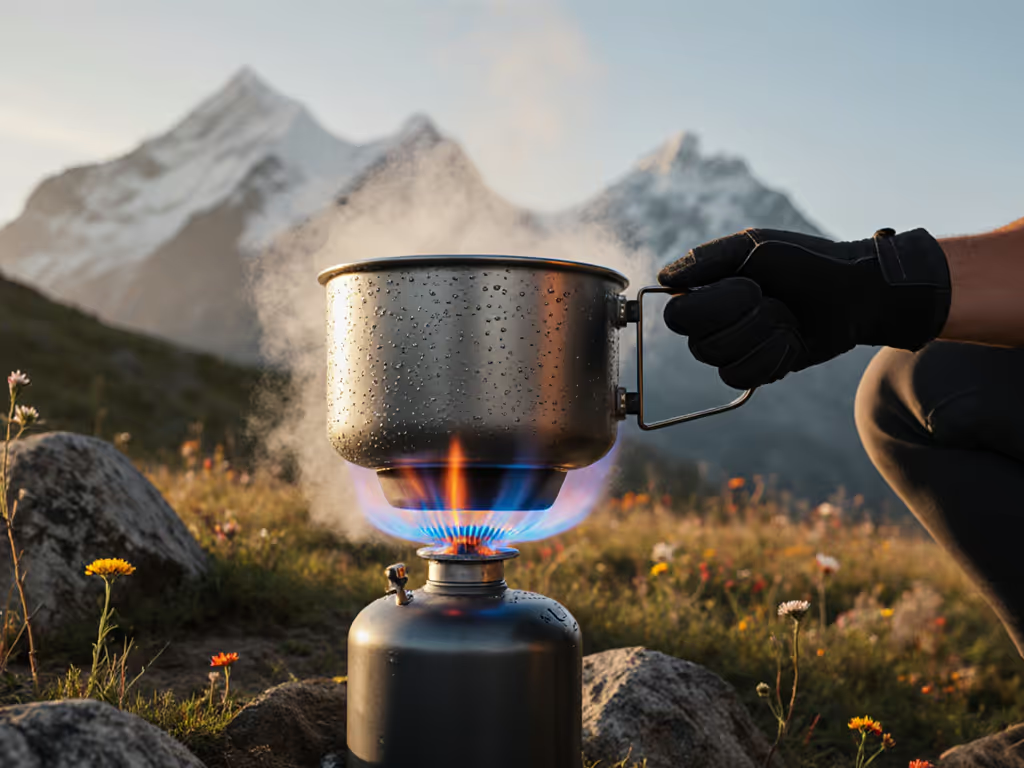
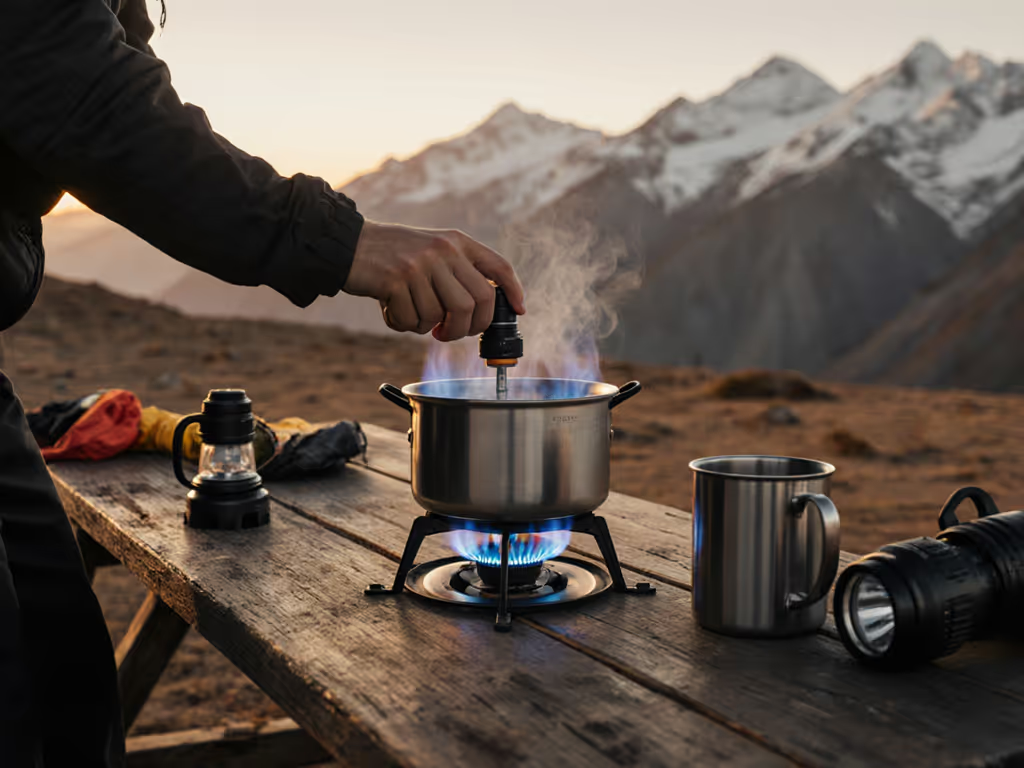
A solar cooking stove might seem like a logical addition to hybrid camping systems, promising fuel savings and eco-friendly operation. But on Siberian ice fields at -40°F, I've seen teams abandon frost-covered solar panels while neighboring camps boiled snow reliably with disciplined liquid-fuel technique. Renewable energy has its place, but in winter, the safest stove is the one you can operate flawlessly, and solar rarely fits that bill when margins vanish. True hybrid camping systems demand brutal honesty about each component's limitations, not optimistic assumptions about renewable camping energy. For a realistic look at how these systems actually perform, see our solar cooking stove guide.
Cold punishes mistakes; redundancy and priming keep kitchens alive.
Critical FAQs: Solar's Role in Real-World Hybrid Systems
Q: Can a solar cooking stove solve fuel uncertainty in winter trips?
A: Absolutely not. Below freezing, solar output plummets: panels frost over within minutes, and the sun's low angle reduces usable energy by 70% even on clear days. At -20°F, a solar oven struggles to reach 150°F, barely lukewarm. Meanwhile, your team needs 2 liters of water per person daily just to avoid dehydration-induced hypothermia. I once watched a group ration powdered drinks for 36 hours after their solar cooker failed during an Arctic outbreak. Their off-grid power solutions gamble cost them morale and safety. Liquid-fuel stoves remain the only proven solution for reliable melting when temperatures dip below 32°F (see our cold-weather fuel performance guide). Solar belongs strictly to shoulder seasons or emergency backups, not primary winter systems.
Q: Does it enhance stove efficiency for group cooking in hybrid setups?
A: Only in specific, non-critical scenarios. In summer car camping, a solar cooker might simmer stew while your liquid-fuel stove handles rapid snow melting. But during a sudden storm or as dusk approaches, solar becomes useless. Test data shows even the best models lose 90% efficiency when cloud cover exceeds 30%, a common occurrence at 10,000+ feet. This creates dangerous assumptions: "We'll use solar to save fuel," then scrambling when it fails. True stove efficiency enhancement comes from windproof liquid-fuel systems with inverted canisters, not sunlight-dependent tools (windproof stove showdown). For groups larger than three, solar's slow cooking time (often 2+ hours for rice) actually increases fuel consumption as you compensate for delays.
Q: Should I carry solar to reduce my environmental footprint?
A: Weight trade-offs rarely justify it. That 5-lb solar oven might eliminate 4 oz of fuel, but it's dead weight on 70% of winter trips. Field audits show most users abandon solar after one season due to inconsistent performance. True sustainability means optimizing your primary system: using heat-exchanger pots to cut fuel use by 30%, or switching to refillable canisters. I prioritize redundancy reminders over feel-good gadgets: at -30°F, your ethical obligation is keeping people hydrated, not chasing carbon neutrality with unreliable tools. Documented incidents show solar-dependent groups rationing water 40 hours into storms while liquid-fuel teams brewed tea hourly.
Where Solar Can Fit: Critical Boundaries for Hybrid Systems
Solar has value only when treated as a supplemental tool with strict operational constraints:
- Temperature Threshold: Never rely on solar below 32°F. Below freezing, condensation on panels cripples efficiency, and snow reflection creates false confidence.
- Task Separation: Use solar exclusively for non-essential tasks: warming pre-cooked meals or melting 1-2 cups of snow for coffee. Separate melt and brew cycles, your primary stove must handle critical water production.
- Daylight Dependency: Only deploy between 10 AM to 2 PM in clear conditions. Cloud cover or terrain shadows (common in canyons) reduce output to near-zero.
- Redundancy Non-Negotiable: If solar fails, your trip must continue uninterrupted. Carry 25% more fuel than solar would theoretically save.
At -20°F during a Yukon traverse, we melted 12 liters of water before dawn using inverted canister stoves while a nearby team's solar unit lay buried in snow. They'd assumed "renewable energy" meant less fuel, but when the sun vanished, they had nothing. We primed patiently, shielded from wind, and kept bottles warm inside parkas. The margin wasn't luxury, it was safety, and we had enough fuel to brew morale after melting snow.
Your Actionable Hybrid System Audit
Before adding solar to your kit, conduct this field test:
- Stress-Test Primary Stove: Operate your liquid-fuel system at 20°F below your planned trip's minimum. Can it melt 1 L of snow in 12 minutes? If not, solar won't fix it.
- Map Solar Viability: Use NOAA solar calculators to determine actual usable sunlight hours at your latitude and season. If < 3 hours daily, exclude solar.
- Weight Audit: Calculate: (solar unit weight) vs. (fuel weight saved * trip days). If solar outweighs savings after Day 3, ditch it.
- Redundancy Check: Remove solar from your kit. Does your system still meet all hydration needs? If not, your foundation is broken.
Real-world off-grid power solutions prioritize reliability over novelty. I've documented too many rescues where "solar efficiency" led to fatal dehydration, while teams using disciplined liquid-fuel protocols thrived. Hybrid systems work only when solar supplements, never replaces, a flawless primary stove. Your next step? This week, test your stove's winter performance without solar. If it fails at 20°F, that's where to invest, not in sunlight-dependent accessories. For proven cold-ready options, see our best winter backpacking stoves.
Separate melt and brew cycles. Solar belongs to the latter, never the former.
Related Articles