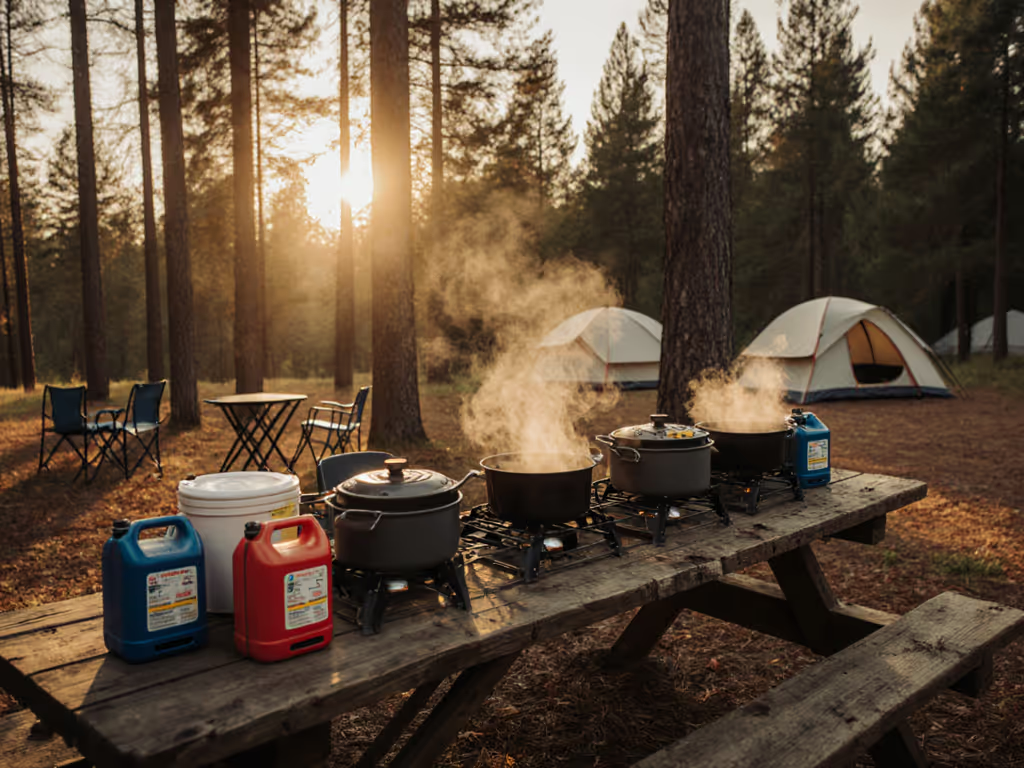
Diet-Optimized Camp Stoves: Buyer's Guide
By Amina Al-Khalil • 7th Jan
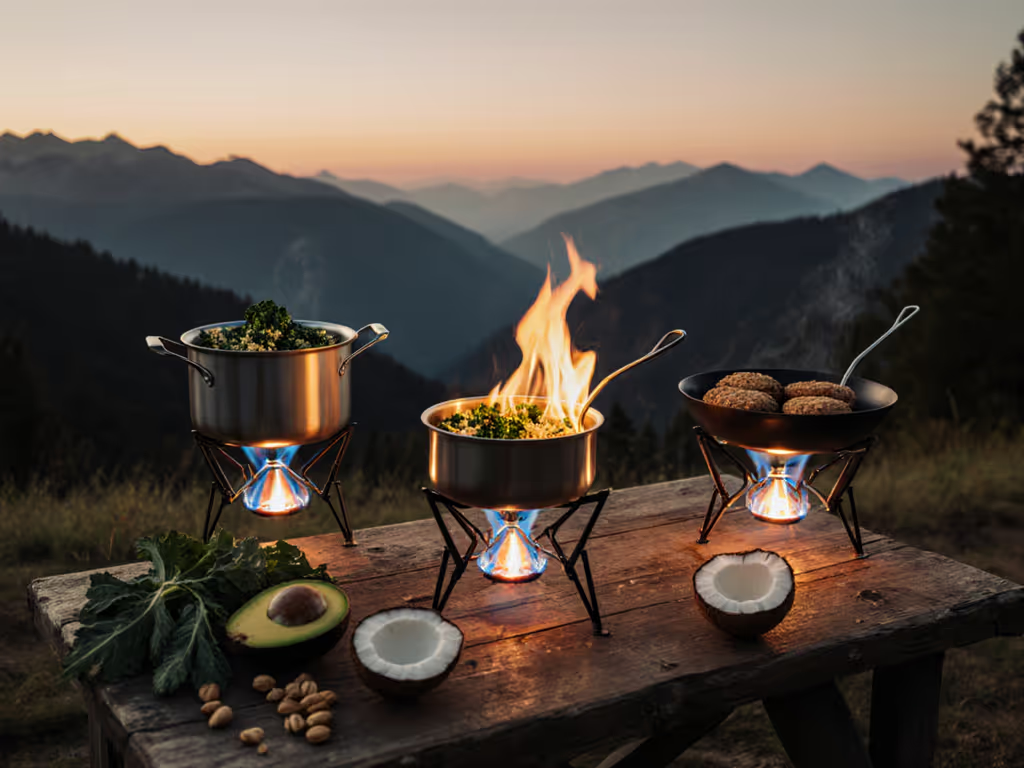
When your dietary needs extend beyond standard dehydrated meals, your camp stove becomes the linchpin of a successful trip. Choosing the right specialized diet cooking gear requires understanding not just boiling speed, but precise temperature control, simmer stability, and fuel efficiency that aligns with your meal plan. As someone who's spent years designing camp kitchens for weekenders to thru-hikers, I've seen how the wrong stove can derail carefully planned vegan, keto, or paleo menus, leaving you with burned tofu, undercooked meat, or wasted fuel. Let's cut through the marketing claims and build a system that cooks real food safely while keeping your waste bag lighter.
Understanding Your Dietary Cooking Needs
Specialized diets demand more from your stove than simple boil-and-eat meals. Whether you're preparing lentils for a vegan camp cooking setup, searing salmon for a keto meal preparation stove, or slow-cooking short ribs for a paleo diet camping equipment kit, you need precise control that most "fast-boil" systems lack. Consider these diet-specific requirements:
- Plant-based diets: Require gentle simmering for beans and grains without scorching
- High-fat diets: Need consistent medium heat for rendering and searing without flare-ups
- Protein-heavy diets: Demand precise temperature control to avoid undercooked meat
- Gluten-free needs: Require thorough cleaning capabilities between meals
When canyon dust and rain tried to ruin our dinner (with sand working its way into every crevice), I didn't reach for a new canister. I cleared the jet with a wire bit I keep on my keychain, adjusted the valve with my multitool, and had simmering couscous ten minutes later. That's the difference between a stove you carry and one you use.
Step 1: Evaluate Your Cooking Technique Requirements
Begin by analyzing your typical meal preparation:
Plant-Based Cooking Solutions Checklist
- Simmer time: More than 20 minutes per meal? You need a stove with true simmer control
- Water volume: Cooking beans from dry requires 3+ cups of water per serving
- Temperature sensitivity: Legumes burn easily at high heat
- Cleaning needs: Frequent pot washing requires reliable, stable setup
Carry a jet tool: it's the difference between a ruined meal and a quick fix when grit blocks your valve.
Keto & Paleo Considerations
High-fat and protein-focused diets present different challenges:
- Searing temperature: Requires sustained high heat (ideal 375-450°F) for proper Maillard reaction
- Fat rendering: Needs consistent medium heat without sudden temperature spikes
- No non-stick: Many paleo cooks avoid Teflon, requiring even heat distribution
- Cleaning complexity: Greasy cookware challenges your cleaning system
Step 2: Assess Stove Types for Dietary Applications
Not all stove platforms handle specialized cooking equally. Analyze these key factors:
Canister Stoves: Pros and Cons
Best for: 3-season solo to duo trips, moderate temperatures
| Feature | Benefit for Dietary Cooking | Limitation |
|---|---|---|
| Simmer control | Variable; some models exceed expectations | Most fail below 10°F |
| Fuel efficiency | Good in wind-protected conditions | Poor in high wind without proper windscreen |
| Temperature stability | Acceptable at moderate settings | Erratic at low settings for simmering |
| Weight | Typically lightest option | Fuel canister weight increases with trip length |
Critical tip: Choose models with pressure regulators for consistent performance as canister empties, essential for maintaining that delicate simmer when cooking tempeh or fish. For a foundational comparison of stove technologies, read our canister vs liquid fuel guide.
Liquid Fuel Stoves: The Precision Choice
Best for: Cold weather, extended trips, diverse dietary needs
- Superior simmer control for plant-based cooking solutions
- 20-30% better fuel efficiency than comparable canister systems
- Works down to -40°F when properly maintained
- Compatible with global fuel types
Every field repair I've done on liquid fuel stoves came down to valve maintenance. Always pack an extra fiber washer (0.8mm) and know how to replace it, your simmer depends on this seal.
Waste reduction note: A single 30oz white gas bottle replaces 8-10 disposable canisters on a 7-day trip. Calculate your fuel needs based on actual cooking time rather than just boil counts. For choosing fuels that hold up when temperatures drop, see our propane vs butane vs white gas analysis.
Step 3: Test Simmer Control Capabilities
True simmer control separates adequate stoves from exceptional ones for specialized diets. Follow this field test protocol:
- Set up in consistent conditions: Flat surface, 60-70°F temperature, minimal wind
- Bring 500 ml water to rolling boil
- Turn control to lowest setting
- Measure time to return to a gentle simmer (small bubbles breaking surface)
- Monitor temperature stability for 10 minutes
Performance benchmarks:
- Poor: Water boils over or stops simmering within 5 minutes
- Adequate: Maintains simmer 5-8 minutes before requiring adjustment
- Excellent: Stable simmer 10+ minutes with minimal adjustment
Most manufacturers exaggerate simmer capabilities. I've found the Soto Micro Reg comes closest to advertised performance, maintaining a stable 180°F simmer for 12+ minutes, perfect for delicate plant-based cooking solutions.
Step 4: Analyze Fuel Efficiency for Your Diet
Different diets consume fuel at different rates. Here's what actual field testing reveals:
| Diet Type | Cooking Time per Meal | Fuel Consumption (ml) | Canister Days |
|---|---|---|---|
| Standard Dehydrated | 6-8 minutes | 10-12ml | 15-18 |
| Vegan (beans from dry) | 25-35 minutes | 45-55ml | 3-4 |
| Keto (searing protein) | 15-20 minutes | 25-30ml | 6-7 |
| Paleo (whole ingredients) | 20-30 minutes | 35-45ml | 4-5 |
Critical calculation: For trips over 4 days with specialized diets, calculate based on your longest cooking session, not average. Many hikers run out of fuel because they base planning on quick breakfasts rather than the 30-minute dinner that consumes half their fuel.
Step 5: Evaluate Maintenance & Repairability
A stove that fails on day 3 with no fix option ruins your dietary plan. If you need step-by-step fixes in the field, keep our camp stove repair guide handy. Prioritize these serviceability features:
Essential Repair Capabilities Checklist
- Jet cleaning access: Without removing the burner assembly (a major field-repair time saver)
- Standardized parts: O-rings and washers available at most hardware stores
- Tool requirements: Multi-tool compatible adjustments (no proprietary tools)
- Valve accessibility: For replacing fiber washers, the most common failure point
Torque caution: Never over-tighten valve assemblies. 15-20 inch-pounds is sufficient for most liquid fuel valves; tightening more damages threads and creates leaks.
All too often I see hikers abandon their meal plans because their stove's jet clogged and they didn't have a simple wire to clear it. The difference between a ruined meal and a quick fix? A $2 jet cleaning kit that weighs less than a gram.
Step 6: Build Your Low-Waste Cooking System
Waste-Reduction Hierarchy
- Refillable 1lb propane cylinders: Replace 15+ disposable canisters
- Inverted canister systems: 20% better fuel efficiency in cold weather
- Heat exchanger pots: 30-40% faster boil times = less fuel burned See our heat exchanger pot efficiency tests to pick a pot that measurably reduces fuel use.
- Wind management: Properly designed windscreen = 15% fuel savings
Refill station strategy: Plan your route to include towns with refill services. Most RV supply stores and some hardware stores offer refills. Check ahead, and call with your empty cylinder to verify.
Your Zero-Waste Camping Kitchen Checklist
- Refillable fuel container (1lb propane or 30oz white gas bottle)
- Stove with field-serviceable parts and standard components
- Heat exchanger pot for efficiency
- Custom-fit windscreen (aluminum sheet, properly vented)
- Jet cleaning kit (including replacement jets for different fuels)
- Fiber washer kit (multiple thicknesses for valve adjustments)
- Small wire brush for cleaning burner orifices
- Small squeeze bottle for cleaning solution (biodegradable soap)
Step 7: Field Test Before Committing
Don't wait for your trip to discover your stove's limitations. Run this home test:
- Simmer test: Cook dried beans from scratch (requires 25+ minutes of gentle simmer)
- Wind test: Create a 10mph breeze with a box fan, measure boil time difference
- Cold test: Place fuel bottle in refrigerator for 30 minutes, then test ignition
- Maintenance test: Disassemble and reassemble key components
Measure fuel usage with a kitchen scale, then record grams burned per cooking minute. This data beats manufacturer claims every time.
The Real Bottom Line
Your stove isn't just about boiling water, it's the foundation of your dietary success in the field. A serviceable, repairable stove that provides true simmer control will keep you cooking real food when others resort to cold meals. And remember: fuel planning based on your actual diet prevents those moments when you're staring at half-cooked lentils with an empty canister.
Your Action Plan
- Audit your last trip's cooking: How many minutes did you actually spend cooking vs boiling?
- Calculate your real fuel needs using the diet-specific consumption table above
- Test your current stove using the simmer protocol in this guide
- Choose your next stove based on repairability and actual dietary needs, not just weight
Before your next outing, lay out your jet tool alongside your cookset. That simple ritual builds the mindset that keeps meals on schedule while keeping micro-trash and canister waste out of camp. Fix it, fuel it smart, pack out less, on every trip.
Related Articles